

London, Eurostar and Bruges
Our first day is a travel day and a touring day in one. We begin in London, travel by Eurostar to Belgium, and arrive into Bruges in time to begin exploring.
🚂 The Eurostar
Our first journey together is the Eurostar from London St Pancras to Belgium — through the Channel Tunnel and into continental Europe.
From Belgium we continue on to Bruges, where the first proper afternoon of the tour begins.
🧳 St Pancras
Before boarding, everyone manages their own main suitcase through the terminal: security, UK and French passport control, the departure lounge, and down to the platform. The luggage travels on the train with you.
A suitcase that rolls easily makes this noticeably calmer. A heavy or awkward case can make the terminal feel much longer than it is.
Your Eurostar tickets will be with me — I’ll hand them out in the hotel lobby on departure morning. You do not need to print anything in advance.
👟 Dress for the day
Day 1 is a travel day and a sightseeing afternoon in one. Leave your London hotel dressed for both — comfortable shoes especially.
Older European cities are a mix of cobblestones and uneven pavement, and the first afternoon is no exception. Good shoes make a real difference from the very start.
👋 Once we meet
Once we are together, I’ll walk everyone through the morning step by step — where to be, what to have ready, and what comes next.
For now, arrive into London knowing your hotel and joining details, with the important things easy to reach.
What stays with you
One habit makes departure morning much easier: keep the important things in your day bag, not your main suitcase.
🛂 Passport & travel documents
Keep your passport with you on departure morning — do not pack it in your main suitcase. You will need it for Eurostar check-in and immigration at St Pancras.
In Italy, you may be asked to show ID at any time — keep your passport or a clear copy with you on those days.
✅ Day bag essentials
Your main suitcase goes into the coach hold on travel days and may not be accessible until you reach the hotel. Keep anything you might need during the day with you:
- Glasses, contact lenses or hearing aids
- Medication and prescription items
- Phone, charger and any cables
- Cards, cash and travel money
- A light layer or compact waterproof
A useful rule: if you would miss it for a few hours, it belongs in your day bag.
🛂 Entry requirements — check before you travel
The Grand European crosses both the UK and the EU, which means two separate border systems — and depending on your passport, both may require action before you leave home.
UK — Electronic Travel Authorisation (ETA): If you are not a British or Irish citizen, you likely need an ETA to enter the UK. This includes travellers from the US, Canada, Australia, New Zealand and many other countries who previously could arrive without pre-authorisation. It is applied for online, costs a small fee, and must be completed before you travel — not on arrival.
EU — Entry/Exit System (EES): The EU's digital border system requires non-EU passport holders to register fingerprints and a photo at the EU border on first entry. No pre-application is needed, but it adds time at border crossings — worth knowing about so it does not come as a surprise.
Whether either applies depends on your passport. Check the official UK government site and the EU EES site to confirm. Your Trafalgar documents will also include guidance.
Before you pack
These are the details that tend to make the biggest practical difference.
👟 Walking shoes
This tour covers a lot of ground: cobblestones, old town centres, viewpoints, station platforms and long sightseeing afternoons.
Comfortable, well-worn shoes make a genuine difference — not just on the first day, but across the whole tour. If you are unsure which pair to bring, bring your most comfortable ones.
🌦️ Weather and layers
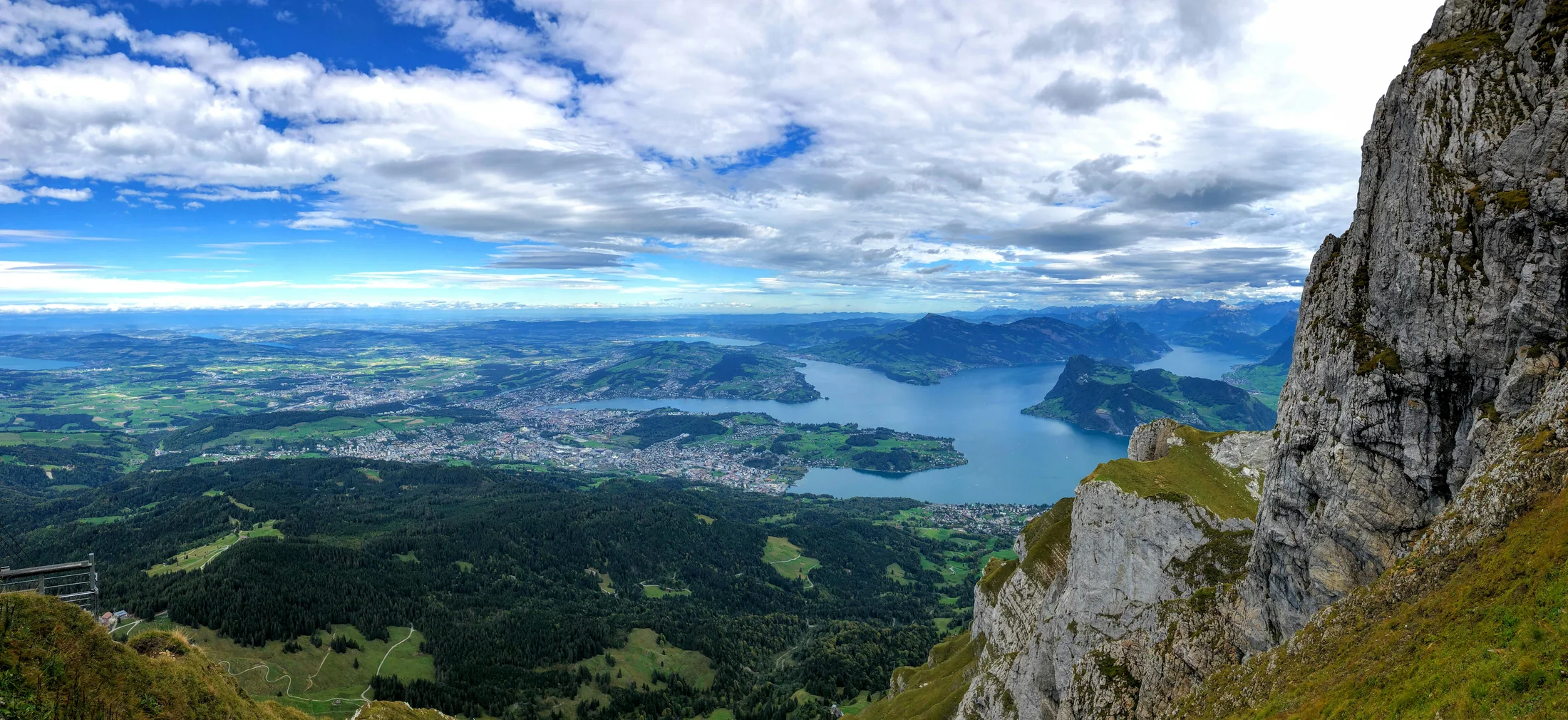
European weather is more variable than many people expect. Northern Europe can be cool and changeable. Switzerland feels noticeably cooler at altitude — even in summer. Southern destinations are warmer, but evenings can still be fresh.
A light packable layer and a compact waterproof solve most situations. Sun protection matters more on this tour than many people plan for — particularly on Alpine days and at outdoor viewpoints.
🔌 Power adapters
Most guests on this tour will need at least one adapter. UK plugs are different from continental European plugs — and both are different from most plugs used outside Europe.
Switzerland and Italy can also vary from the standard continental plug, which is why a universal travel adapter with USB and USB-C ports is the simplest solution for the whole tour.
🧳 Packing
Pack for usefulness rather than volume. Most people bring more than they use — and on a tour with several different hotels, lighter luggage is noticeably easier to live with.
We use audio listening devices on walking tours — disposable wired headphones are provided. These are not Bluetooth, so wireless earbuds will not connect. You are welcome to bring your own wired pair if you prefer.
🧺 Laundry: On a tour of this length, most people are glad to freshen up the wardrobe somewhere along the way. I’ll point out the best opportunity once we are underway.
The rhythm of it
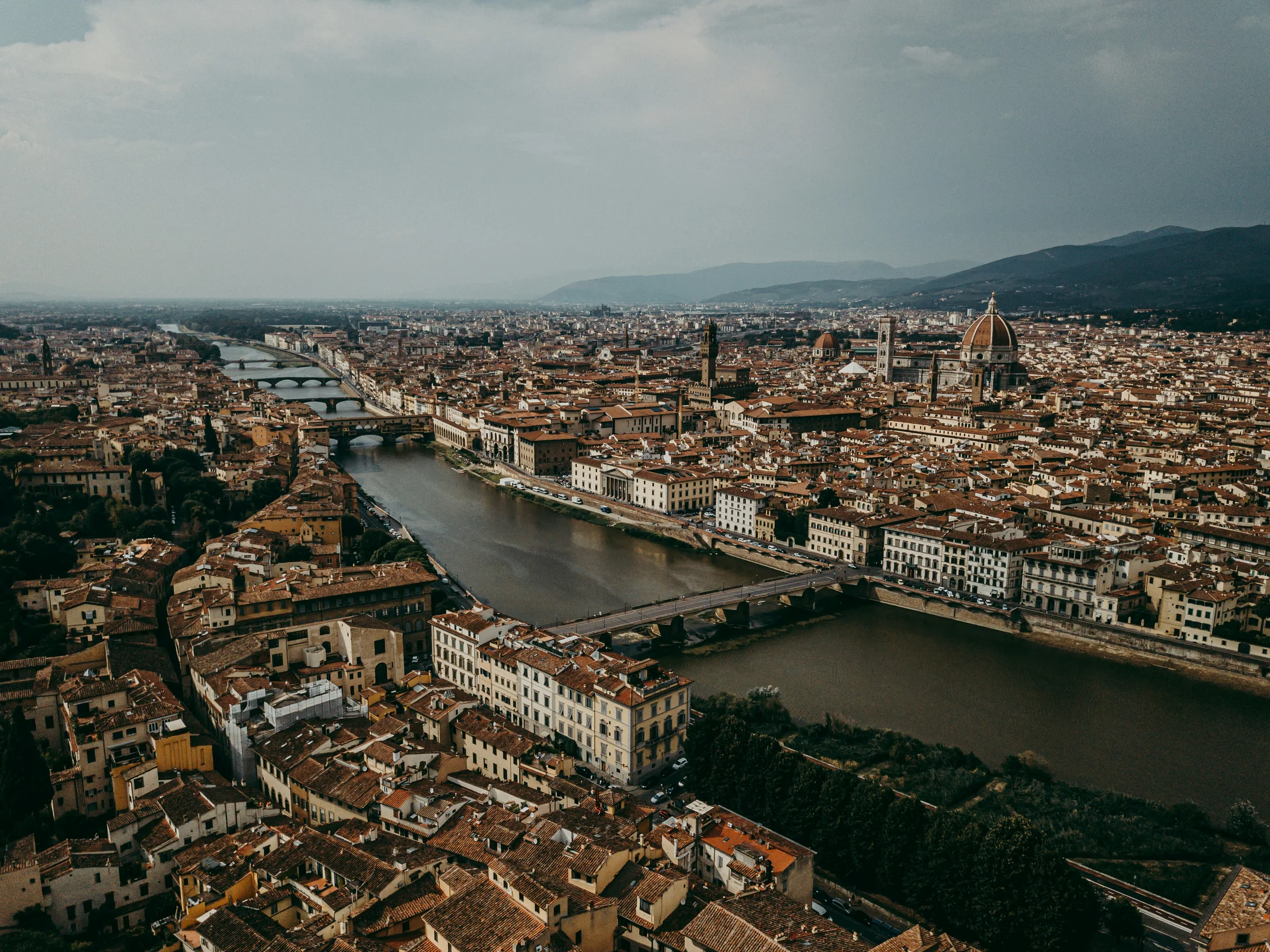
The Grand European takes its name from the Grand Tour — a tradition dating back to the 17th and 18th centuries, when young aristocrats would travel through the great cities of Europe as a rite of passage. Rome, Florence, Venice, Paris. The idea was simple: you weren’t truly educated until you’d stood in front of these places. We'll do it in considerably more comfort — and in better time.
We start with the Eurostar — a feat of engineering and European cooperation, carrying us from Great Britain to the Low Countries beneath the English Channel. From there we travel through Germany to the Alps, across Imperial Europe and down to the Italian peninsula, past the Riviera, and finishing with a certain elegance in Paris.
Travel like this is as much about the journey as it is the destination. Watching the landscape, architecture and scenery change outside the coach window as we cross through different parts of the continent is part of what the experience is built around. Things change quickly out there.
There will be early starts at times, busy breakfast rooms, hotel lobbies full of luggage, changing weather, and long travel days mixed in with quieter ones. That is simply the rhythm of an adventure like this.
The cadence of this itinerary is part of what makes it so good. The Low Countries ease you in gently. The Alps shift the scale of things completely. Italy feels louder, busier, more emotional in the best possible way — and then France arrives at the end with a completely different kind of elegance.
Myself and our coach driver will be with you throughout, keeping things ticking behind the scenes so you can relax and take it all in. We’ll go step by step — I’ll always let you know what’s coming up, what’s worth having with you for the day, and what you can leave on the coach and not worry about yet.
🚌 On the coach
Seat rotation happens daily, and I’ll explain the system clearly.
Snacks are absolutely fine. Just avoid hot food, hot drinks and anything likely to melt, spill or perfume the entire coach. Please keep your seat area tidy — it’s a shared space and it makes a real difference to everyone’s day.
Seatbelts on whenever you are seated — it’s a simple habit that matters.
🚻 Comfort stops
We plan regular comfort stops along the way. There may also be a WC on board, but most people find the stops easier.
When getting on and off the coach, take your time and use the handrail.
🏨 Hotels vary
Some hotels are modern and spacious, others are older or more compact, particularly in historic city centres. That variety is part of the character of a journey like this.
Many European hotels — older properties, mountain hotels and historic buildings in particular — don't have the kind of consistent cooling some guests may be used to. Reception can sometimes help, but a bit of flexibility goes a long way.
🚗 Our Driver
Our Driver is a huge part of what makes the journey run smoothly — navigating a coach across multiple countries, border crossings and changing conditions takes real skill.
By the end of the tour, most groups have a genuine appreciation for just how much goes into it.
⏰ Tour timings & inclusions
Our days run to a schedule. Being ready on time — for departures, meals and activities — keeps things on track for everyone in the group.
I'll always let you know what's coming up and what to be prepared for. All we ask is that you're there on time, ready to go.
🔒 Security
Keep your passport, cards and valuables secure and close to you, especially in busier tourist areas — Rome, Venice and Florence in particular. A small bag that stays close to your body is worth considering for those days.
A little awareness in crowded places goes a long way.
I use WhatsApp for simple reminders and day-to-day updates while we are travelling. It is optional, but it usually makes the small daily details easier.
- 1Download and set up WhatsApp before you travel if you do not already use it. Download WhatsApp
- 2Save my number — it is in your welcome email, or use the WhatsApp link at the top of this page.
- 3Send me a message with your name so I know you are set up.
If you'd rather not use WhatsApp, that's fine — everything important will still reach you.
A few practical things for later
You do not need to make all of these decisions before we meet. They become much easier once you can see the pace of the tour and what suits you.
⭐ Optional experiences
In my experience, the optionals are often what people remember most.
A gondola on the Grand Canal. Standing inside the Colosseum. A lake cruise in the Swiss Alps. Versailles. The Moulin Rouge. Dinner in the Tuscan countryside. These aren’t things that are easy to organise on your own, in a city you don’t know, on a schedule that moves quickly. On this tour, they’re ready to go — transport, entry, everything taken care of, perfectly timed within the day.
I’ll walk you through everything during the tour. My honest advice? Do them. I’ve been travelling most of my life, and the times I’ve passed on something — thinking it was too expensive, or I’d come back another day — those are the ones I still think about. Skipping something and regretting it costs more in the long run than just doing it. And you may not pass this way again.
Unless something really doesn’t appeal to you, I’d say yes.
💳 Money & cards
Cards are widely accepted, but a small amount of cash can still be useful for smaller cafes, markets, local purchases or leaving tips.
London is Pounds Sterling (GBP), but once we are in Europe most countries use the Euro, and Switzerland uses Swiss Franc. For many travellers, small ATM withdrawals are simpler than carrying large amounts from home.
💶 Gratuities
When you’re out during free time, if the service is good — tip. A few euros at the end of a good meal is always appreciated.
On the tour itself, porterage and restaurant tips on included meals are already taken care of. Tips for your Travel Director and Driver are separate unless you’ve pre-paid through Trafalgar. Local Specialists — the guides who join us in specific cities and regions — are separate again. Good ones are hard to find, and a small tip at the end of their time with the group is customary and well received.
Guidance on suggested amounts is in your Trafalgar documents, and you can always ask me on tour. This does not need to be solved on the first morning.
Questions before we begin?
Save my contact now, and keep your official joining instructions somewhere easy to find. That is enough for the moment.
Joel Plunkett
Travel Director · Trafalgar
Phone / WhatsApp
WhatsApp is usually the easiest way to reach me during the trip.
Urgent before departure?
Before the tour begins, I may occasionally be travelling or finishing another tour, but I will always get back to you as soon as I can.
If something is time-sensitive before Day 1, please check your welcome email for European Guest Services contact details.
Once we are together, things usually become much more straightforward day to day.
Final note
There’s a lot of Europe ahead of us, and I’m looking forward to every part of it. See you in London.